



Special Executive Report
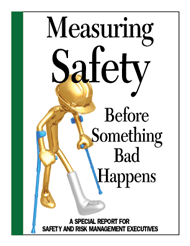
Measuring Safety Before Something Bad Happens
The frustrating part about safety is it always seems to get measured by the negatives – accidents, near-misses, comp payouts, OSHA fines, and worst of all, a fatality.
Wouldn't it be better if safety could be measured by positive things? Things that go well beyond the absence of an accident. What if there really was a way to change the measuring stick, so that you could be more effective in preventing injuries in the first place – BEFORE they happen?
New research has some answers for you.
Eliminate Accidents, Reduce Injuries And Minimize Safety Costs
- Top 6 ways to prevent injuries and illnesses at your organization
- Symptoms there's something wrong with your safety program
- Why fewer injuries don't always mean success
- Internal controls to keep hazards out of the workplace
- Included: Self-assessment questionnaire to rate your safety program
Using Leading Factors To Improve Your Safety Program
- Metrics helping you measure safety before incidents occur
- 5-point scale to determine leading indicators' effectiveness
- Negative consequences of only measuring safety after incidents
- Proof behind why positive leading indicators work
- The negative reinforcement wreaking havoc on safety
Accident Prevention Measures You Can Take Now
- How good is your safety program? Find out using our checklist
- Proactive policies reducing the severity of injury and illness
- 3 trailing indicators that you should still use
- Medical management preventing impairment and disability
- Protect workers from the threat causing half of all injuries
Building the Business Case for Safety Improvements
Order "Measuring Safety Before Something Bad Happens" today and get this free bonus report.
Inside this free bonus report, you'll discover:
- 3 ways to make the business case for safety and protect workers
- How to use risk management to get even minor safety fixes approved
- Turn engineers into allies: What gets them on your side
- Get initiatives done faster by focusing on what they care about – ROI
- Invest $1 in safety now to save $10,000 later: Here's how
$99 value
Click the "BUY IT NOW" button below and get
this bonus report at no additional charge
Buy it now

